Sustainable Brewing in New Jersey|Part 1 of 5
This is the first of our five-part series on sustainable brewing in New Jersey. This also serves as an anchor for future articles, programs, and podcasts that explore green and sustainable brewing, conversions and solutions, different business models, civic and government programs, and more. Throughout, the reader will hear about trends, technology, innovations, and benchmarks that make sustainable initiatives successful businesses with tangible benefits while contributing to the better good. Tell us about your sustainable initiatives as we develop our ongoing series. Please reach out therealmicrobrewnj@gmail.com to tell us your story.
Introduction to Sustainable Brewing
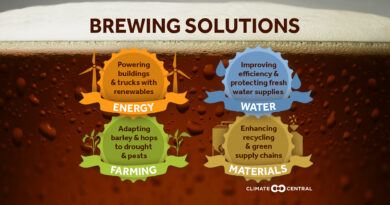
As a 2012 University of Nebraska paper suggests, continued growth in the craft brewing industry couple with the challenges of limited natural resources demonstrate the need for wide scale sustainable initiatives. The sustainable initiatives include encompass’ economic sustainability, social sustainability including community development, and environmental sustainability through conservation and renewable energy use. Sustainable brewing is a way of producing beer and wine in such a way that is environmentally friendly and socially responsible. It involves using natural and sustainable brewing methods that will reduce emissions of greenhouse gases, minimize or eliminate the use of harmful chemicals, reclaim water waste, and facilitate conversion to cleaner energy; all while not resulting in any harm and destruction. Beer products by themselves can be labeled sustainable and organic. According to Bison Brew, in order for beer to be labeled sustainable, the end product must have been brewed using organic ingredients. The hops, malt, and yeast must have an organic label. Organic farming is considered to be a far more sustainable alternative in brew ingredients than traditional brewing methods which thereby supports the brewer in creating a sustainable product. Brewers and those that produce and grow the ingredients continue to develop best practices to make beer and other fermented products more sustainable, protection of the environment, and goal of a negative carbon footprint. Farmers and Brewers working locally is a great example of a sustainable economic model with tangible environmental with great examples in New jersey that we will explore. Beyond the brewing process moving into the sustainable space entails other sectors of business, design-and-build, engineers, green industry experts, legal, civic, government, and others. Throughout the series, we will explore these various sectors and the stakeholders for which sustainable brewing in New Jersey is an important venture with robust activity in sustainability.

NJ Innovation in Sustainability
Before we drill down to WOIt’s no secret that New Jersey the resiliency system and also there was incidents testing testing testing this is more of an isolated incident than a systemic one more here about nj leadership in sustainability
NJ Innovation in Sustainable Brewing
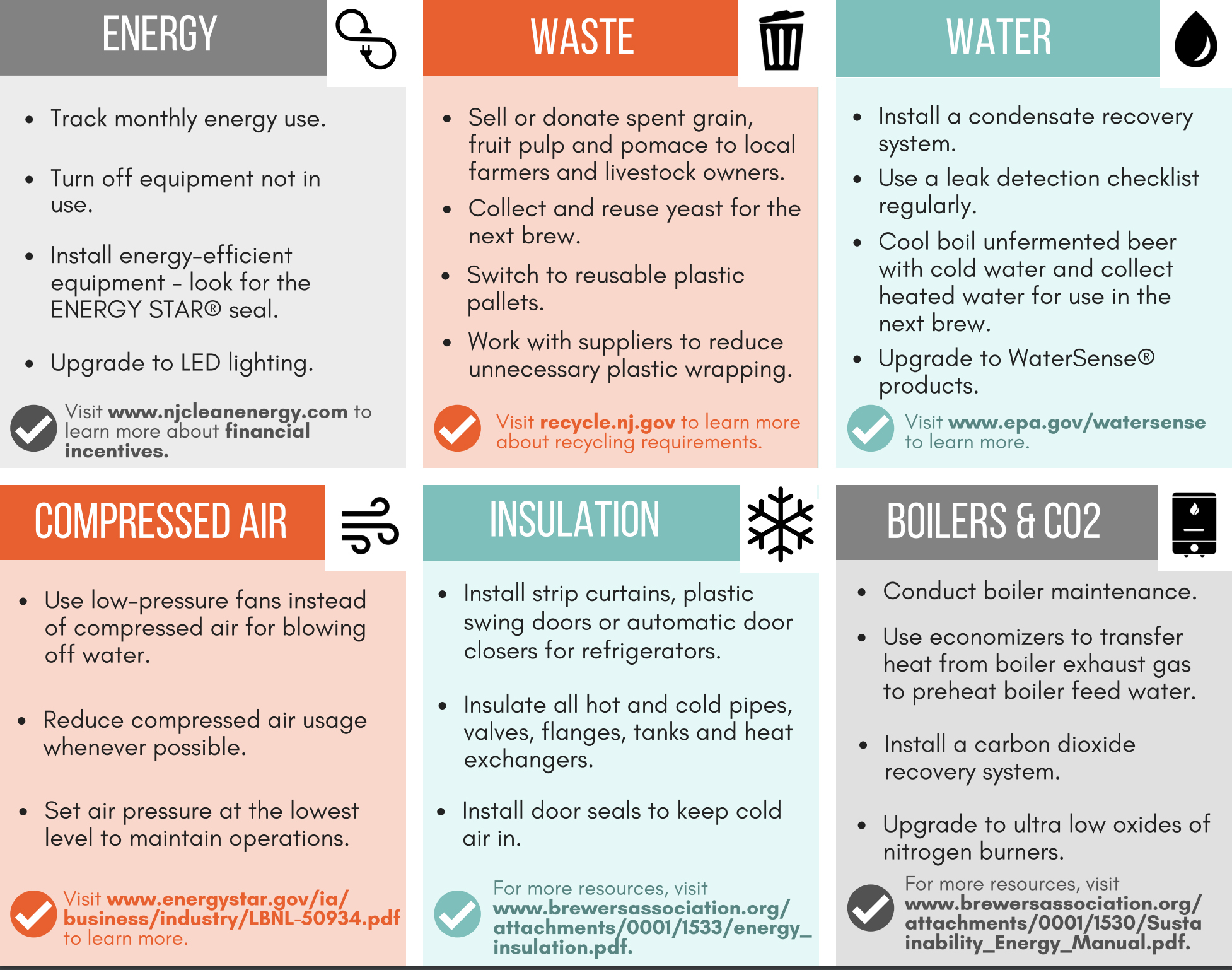
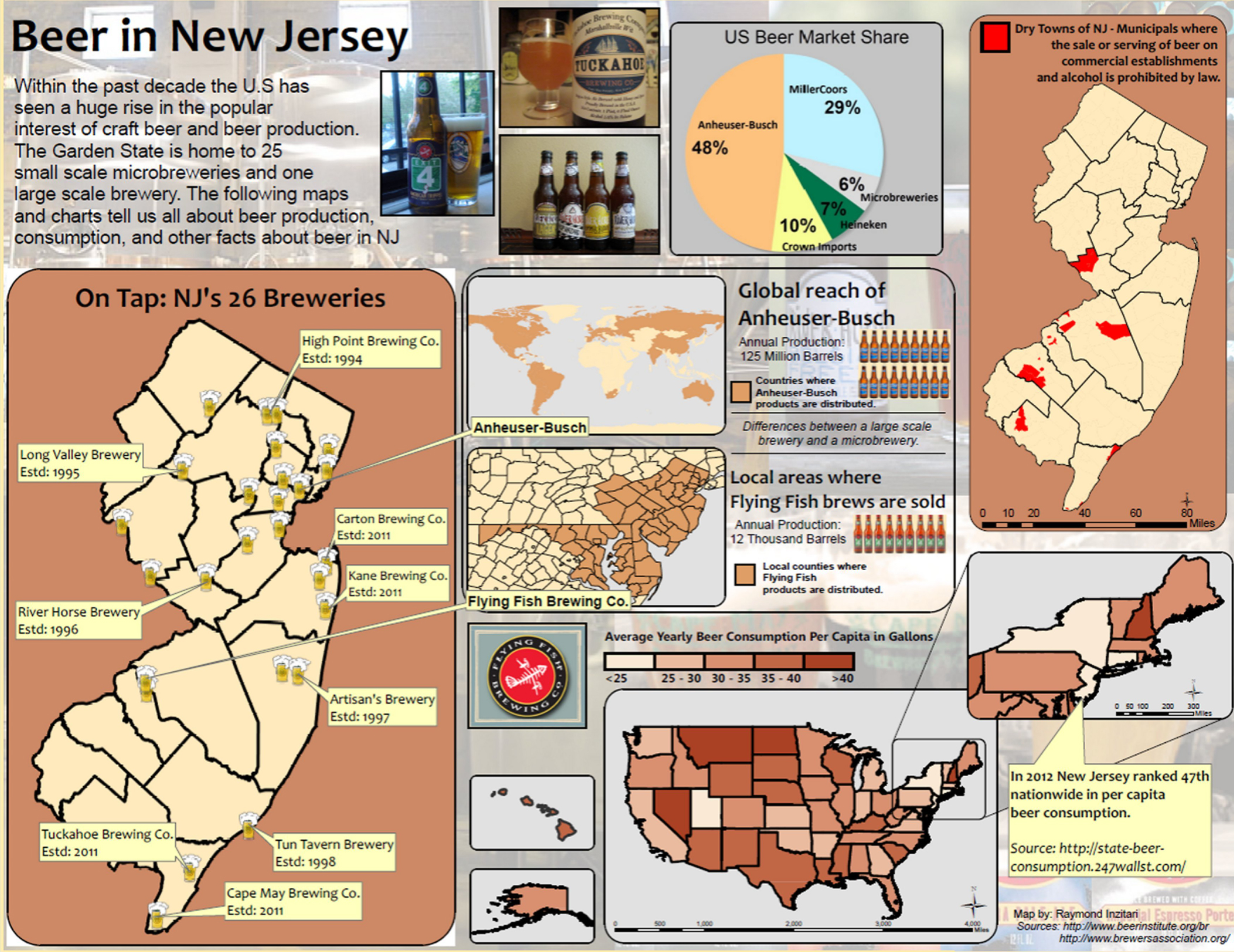
he brewing industry is constantly evolving to meet the demands of consumers and brewers are testing new and innovative methods to produce a more sustainable product. Brewers are implementing unique and creative ways to become stewards of the environment and community by recreating their space, beautifying, and blending with the other sustainable assets of the community. It remains to be seen to what extent converting to a more sustainable model will affect the bottom line; assuming a more efficient and sustainable model also includes increased returns for the business. It is easy to point out the success of many breweries across the Garden State that have adopted efforts of the sustainability framework. usability of many of these efforts in the various buckets of sustainability across the Garden State. Recognizing the growth of the brewery industry and with commercial beer production at an all-time high, the NJDEP published the Sustainable Brewing Guide to help breweries evaluate their practices and “take practical action to go green”. The EPA as also compiled information on best sustainability practices for brewery operations. The inherent eco-friendly nature of brewers is conducive to their adoption of brewery environmental standards and there seems to be a robust participation by brewers in the South Jersey and Tri-State areas.
Social Responsibility | Tangible Benefits
Brewing historically is not a sustainable practice. According to a University of Vermont study, it takes three to seven barrels of water to make one single barrel of beer. There are substantial energy requirements, multi-stream waste, undrinkable water, and spent hops and grains. Breweries will continue to play a substantial role in reducing our long-term dependency on fossil fuels by working together and developing sustainable models, participating in community efforts, and educating the public. Exciting opportunities and benefits for local and regional economies as well the health of the community and residents.
- Sustainability Report On Beer from the University of Vermont Sustainability Science Program
- Best Practices & Strategies | Improve Brewery Operations | UVM Continuing & Distance Ed Brewery Business Courses
- UVM Fully Online Business School for Brewery Start-ups and Brewery Expansion
Embracing the Sustainable Model
A number of New Jersey breweries have embraced sustainability as a smart business model with tangible benefits and moved towards sustainability. Furthermore, breweries are taking sustainability on as a socially responsible position. Sustainability has a proven track record of driving growth for local and regional businesses, not only actual brew production but also peripheral and related business sectors supporting large and small breweries.
The framework for sustainability brewing builds on the awareness of policy and guidance, creating efficient and friendly space, incorporating renewable energy solutions, locally sourced and organic ingredients, water reclamation, sustainable packaging/recycling and efficient delivery systems, and side-stream waste processes. In Sustainable Brewing in NJ Part 2 we will take a closer look at the framework and meet some local brewers who are meeting the challenge.
"Brewing is a resource-intensive process, so it is our responsibility to constantly evolve our practices to reduce our environmental impact and offset where we can” | Jason Perkins, Brewmaster Allagash Brewing Company